
Seven years ago, I found myself standing at the entrance to Thikse, a Tibetan Buddhist monastery in the Indian Himalayas, watching the first light of dawn creep over the mountains. My mother had died a few months earlier, unexpectedly. I was looking for something I couldn't name. A young monk in burgundy robes gestured for me to follow him to the kitchen, where the morning fire was already burning.
He handed me a wooden paddle and showed me how to stir the massive pot of butter tea. We didn't share a language, but we shared the fire, the stirring, the simple, ritualistic task performed the same way it had been performed for centuries. Over the following days, I fell into the rhythm of the monastery. I lit fires at sunrise. I sat in on drumming ceremonies. I ate meals in contemplative silence. And somewhere in those reliable rhythms life started to make sense again.


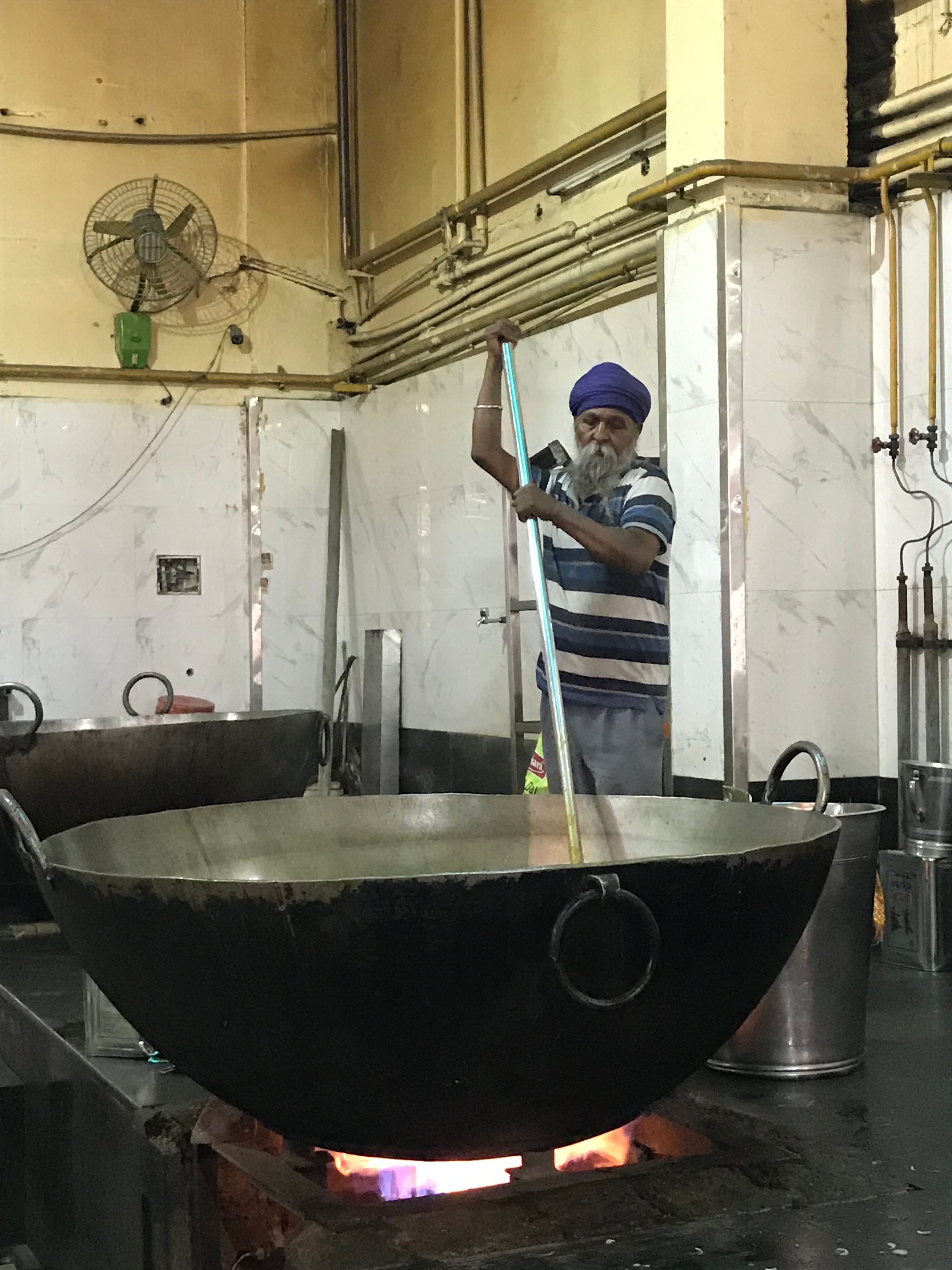
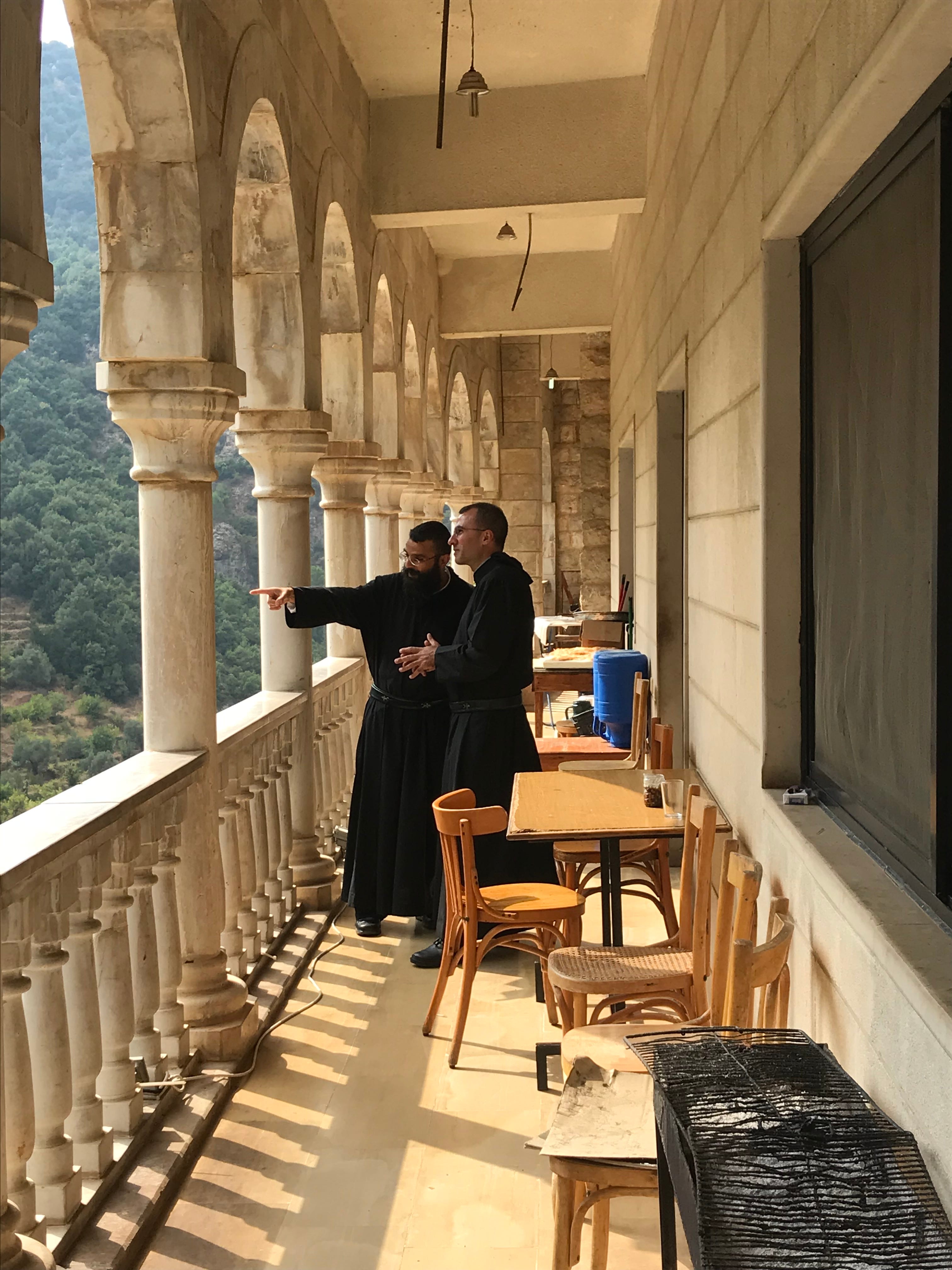
That trip was the beginning of a journey that would take me to more than twenty monasteries, temples, and spiritual communities across four continents. I visited Zen Buddhist temples in Japan, where cooking is considered a spiritual discipline. I spent time with Cistercian brothers in Spain tending vineyards and olive and almond trees using techniques passed down for nearly a thousand years. I learned preservation from Maronite monks in Lebanon and communal generosity from Sikh practitioners in Delhi.
The research became two cookbooks: Elysian Kitchens and Eat Like A Monk. But the wisdom I gathered went far beyond recipes.


What the Monks Taught Me
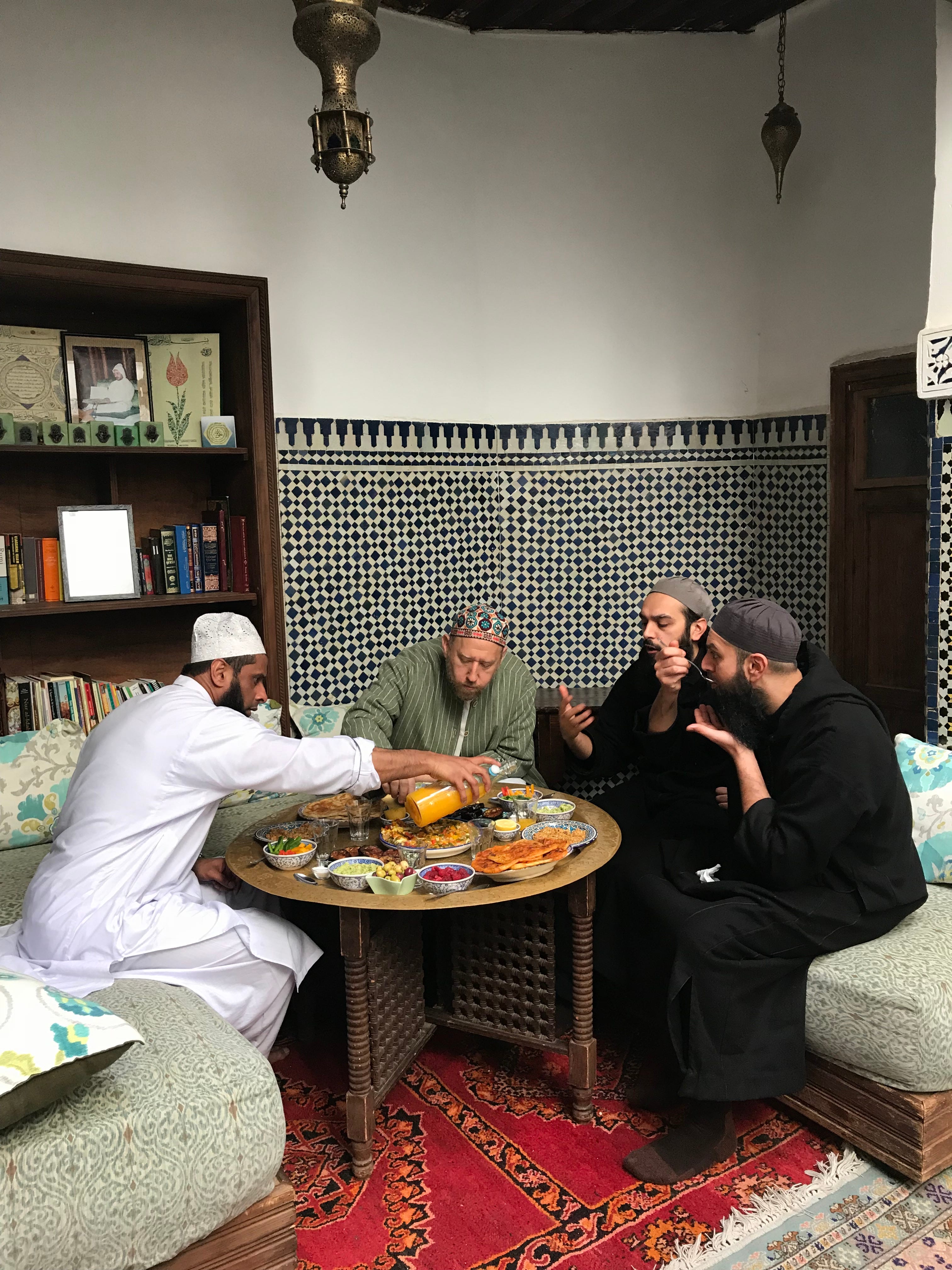
The practitioners I met weren't escaping the world. They were paying deep attention to it. They had rituals that anchored their days. They ate with presence. They rested without guilt. They worked with their hands. They welcomed strangers. They adapted to change without losing themselves. They found joy in simplicity. And they'd been doing this through wars, plagues, famines, and political upheaval for centuries.
When I started teaching workshops based on this research, for Fortune 500 companies, libraries, and community groups, I realized something: people weren't just interested in the stories. They were looking for the practices.


How do I stay grounded when everything feels chaotic?
How do I build routines that actually stick?
How do I find meaning when the world feels like it's falling apart?
I am asked the same questions, over and over.
Why Now
I'm watching the news like everyone else. I see and feel the anxiety, the division, the sense that the ground is shifting beneath our feet. And I keep thinking about all the monks and other spiritual practitioners I’ve met. Right now, Tibetan Buddhist monks are walking across America on a pilgrimage for peace. People are weeping in the streets watching them pass. They’re handing them flowers. They’re overwhelmed by the experience.
It’s not because the monks (and their loyal dog Aloka) are performing miracles. It’s because they represent something we've lost: groundedness, purpose, community, calm. We're seeking what they have.
The good news? We can cultivate it. Not by becoming monks, but by borrowing their practices. The ones that have been tested, embraced, and refined over thousands of years.
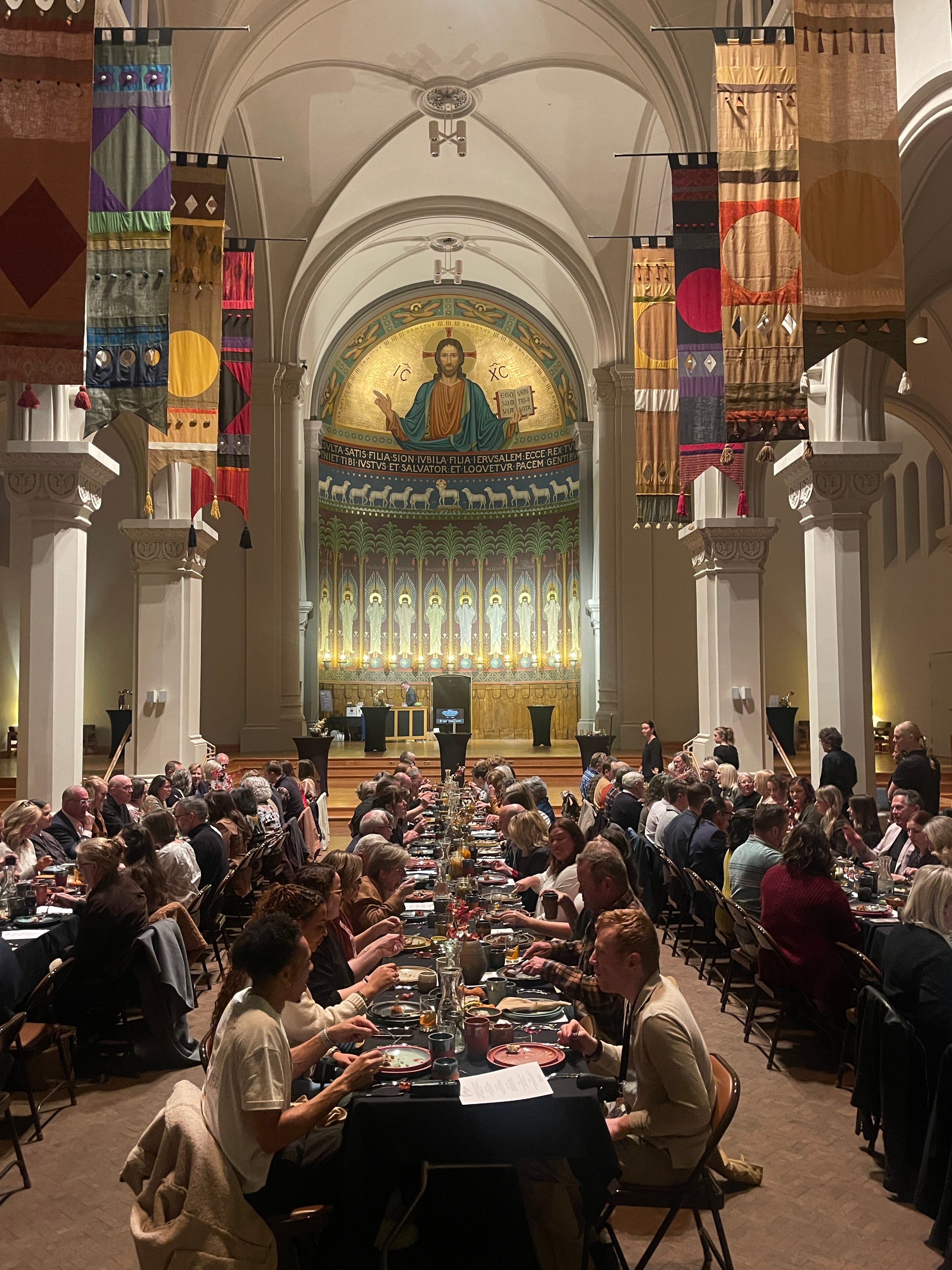
The Monastery Method
I’ve learned so much from the spiritual practitioners I met while researching and writing my books. Many of them have become dear friends over the years. They are people I turn to over and over again for advice and comfort during tumultuous times (and it really feels like we’ve had way too many of those lately).
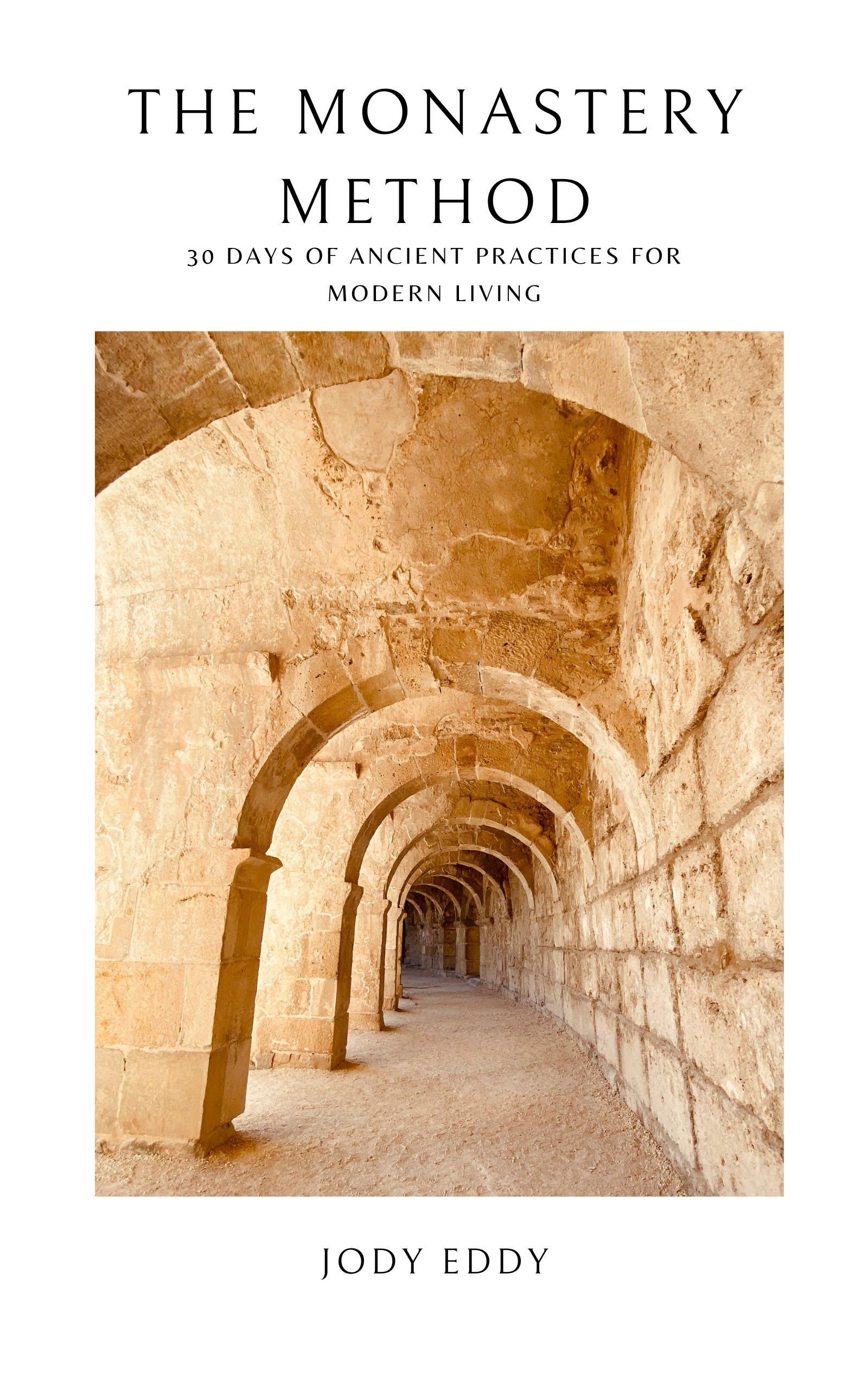
I distilled everything I've learned from the monks into a 30-day guide.
THE MONASTERY METHOD: 30 Days of Ancient Practices for Modern Living.
It's organized into four weeks:
Week One: Foundations: morning rituals, eating with attention, simplicity, gratitude, rest
Week Two: Nourishment: food as medicine, wasting nothing, preservation, movement, cooking for others
Week Three: Connection: hospitality, listening, service, forgiveness, sacred meals
Week Four: Integration: resilience, joy, generosity, designing your own sustainable practice
Each day includes a story from my travels, the principle behind the practice, concrete steps to try, and reflection questions. It's not religious instruction. You don't need to believe anything. It's not wellness fluff. The simple practices (most require around 15 minutes per day) are grounded in tradition, history, and science. It's not about optimizing your life. It's about being present in it.
I also included 14 recipes from my cookbooks, dishes tied to the practices, and downloadable worksheets to help you design your own path forward.
An Invitation
Thirty days is not very long. It's also long enough. Long enough to establish a morning ritual that anchors your day. Long enough to change how you relate to food, rest, and the people around you. Long enough to discover that the peace you've been seeking isn't somewhere else, it's available right here, in the ordinary moments you've been rushing past.
The monks didn't become wise by escaping the world. They became wise by paying attention to it. For the next thirty days, I hope you’ll accept this invitation to pay attention too. To connect. To breathe. To move. To love. To cook. To find peace.
GET THE MONASTERY METHOD →
A Pear Tart to Get You Started
The recipe this week reflects the practices in The Monastery Method.
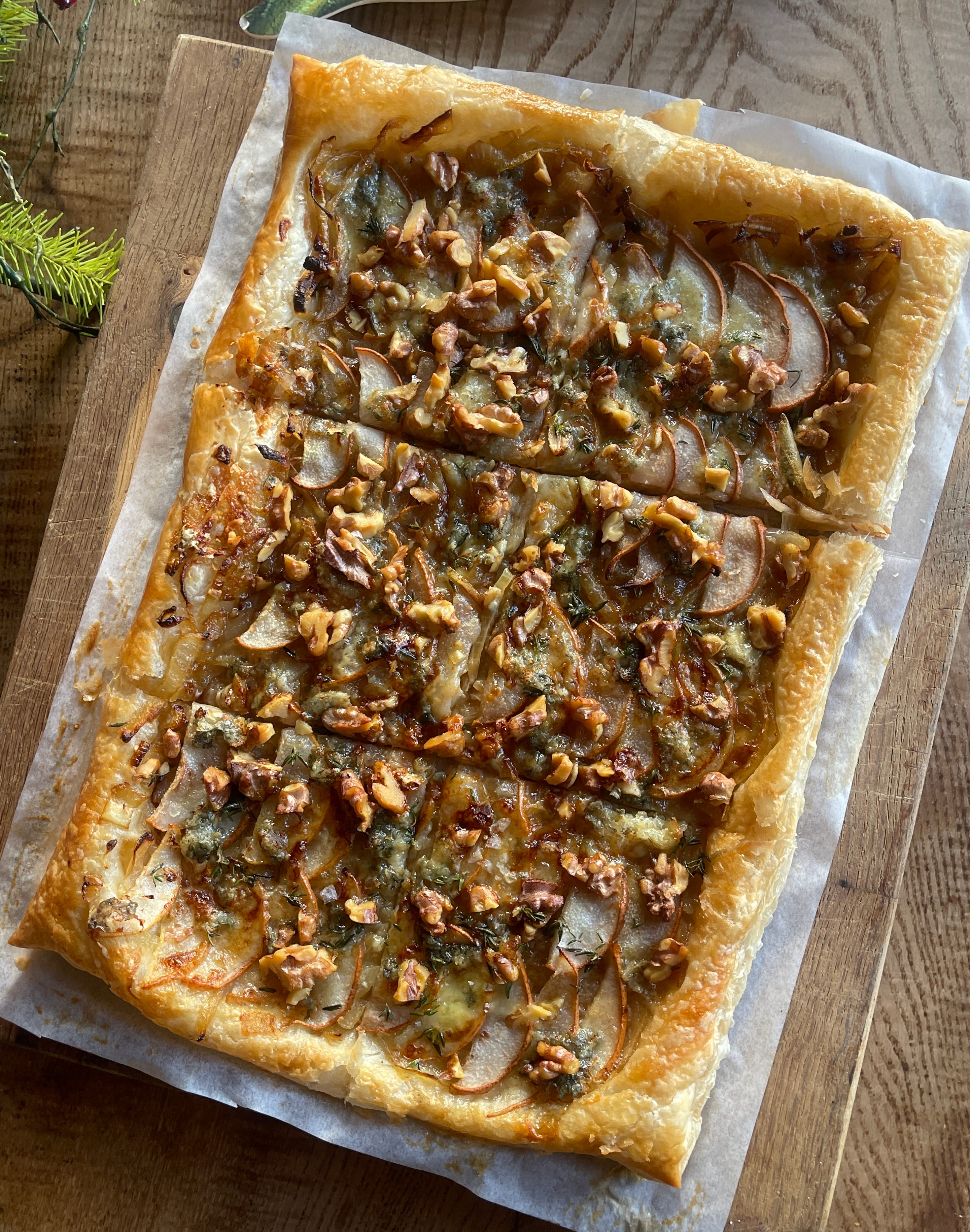
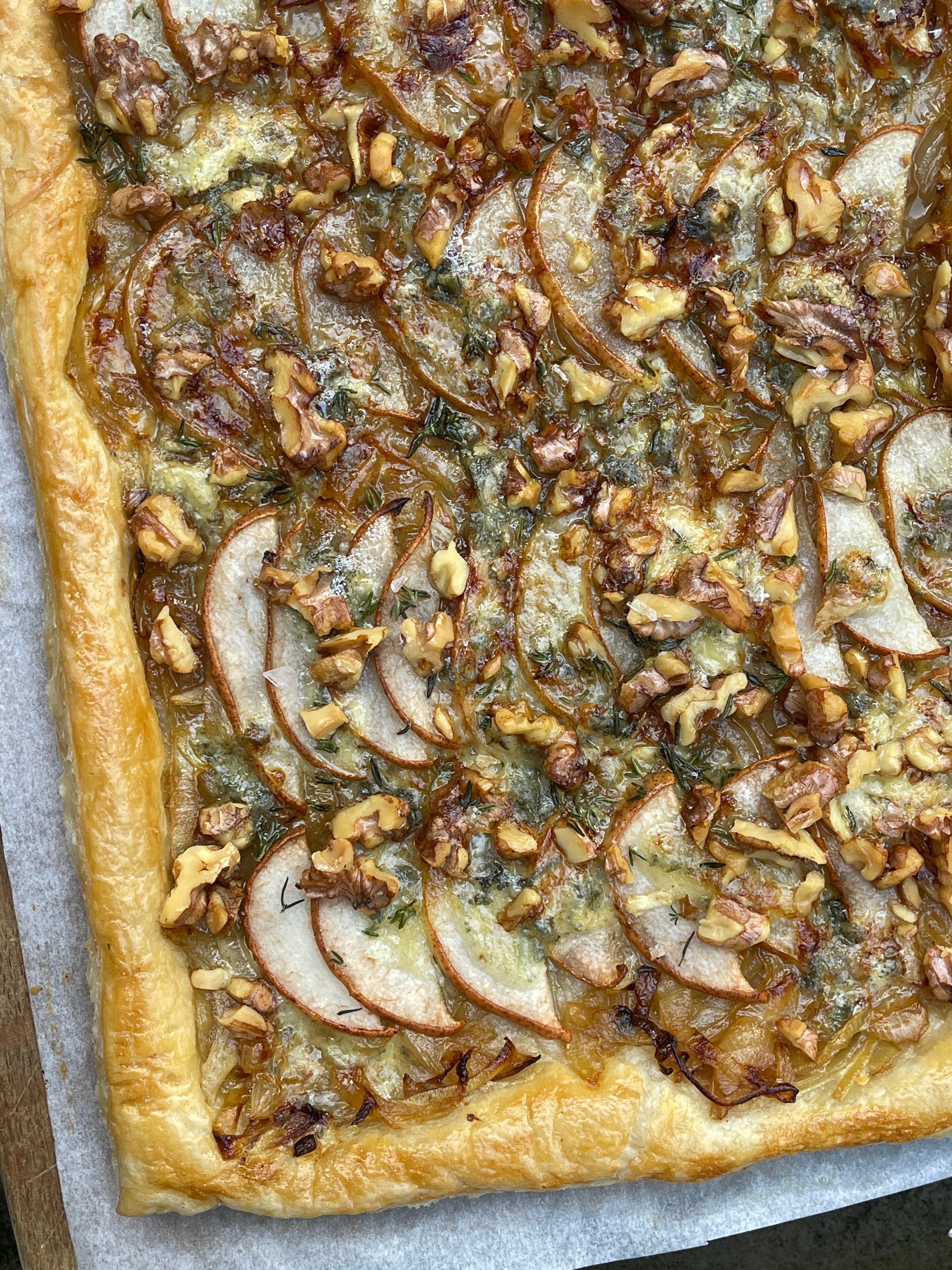
This Pear, Caramelized Onion, Walnut, and Stilton Tart is the kind of dish I make when I want to gather people around a table without spending the whole day in the kitchen. It starts with a single sheet of puff pastry and becomes something that feels special without a lot of effort.
The onions caramelize slowly, the pears soften as they bake, the Stilton adds just enough richness and depth without overwhelming. Fresh thyme. A scattering of walnuts. Cut it into six pieces. Set it in the middle of the table. Invite people to gather.
This is monastery cooking to me: not austere, not complicated, but intentional. Food that asks you to slow down long enough to let the onions caramelize. Food that assumes you’ll share it. Whether it’s lunch with a friend or an appetizer before a longer meal, it’s the kind of thing that says sit down, stay awhile, there’s enough for everyone.
I hope you enjoy it.
“Purpose, joy and inner peace are the only status symbols worth having.”
― Anthon St. Maarten
My newsletter is reader-supported.
Free subscribers get limited access to the weekly newsletter and two weeks worth of archives.
Paid subscribers get complete access to all of the content in my newsletters and my entire archives. You’ll also get all of the recipes, guides, interviews, cooking tips, essays and more, plus the ability to comment and participate in discussions.
Newsletters will arrive right in your Inbox or you can read them through the app.
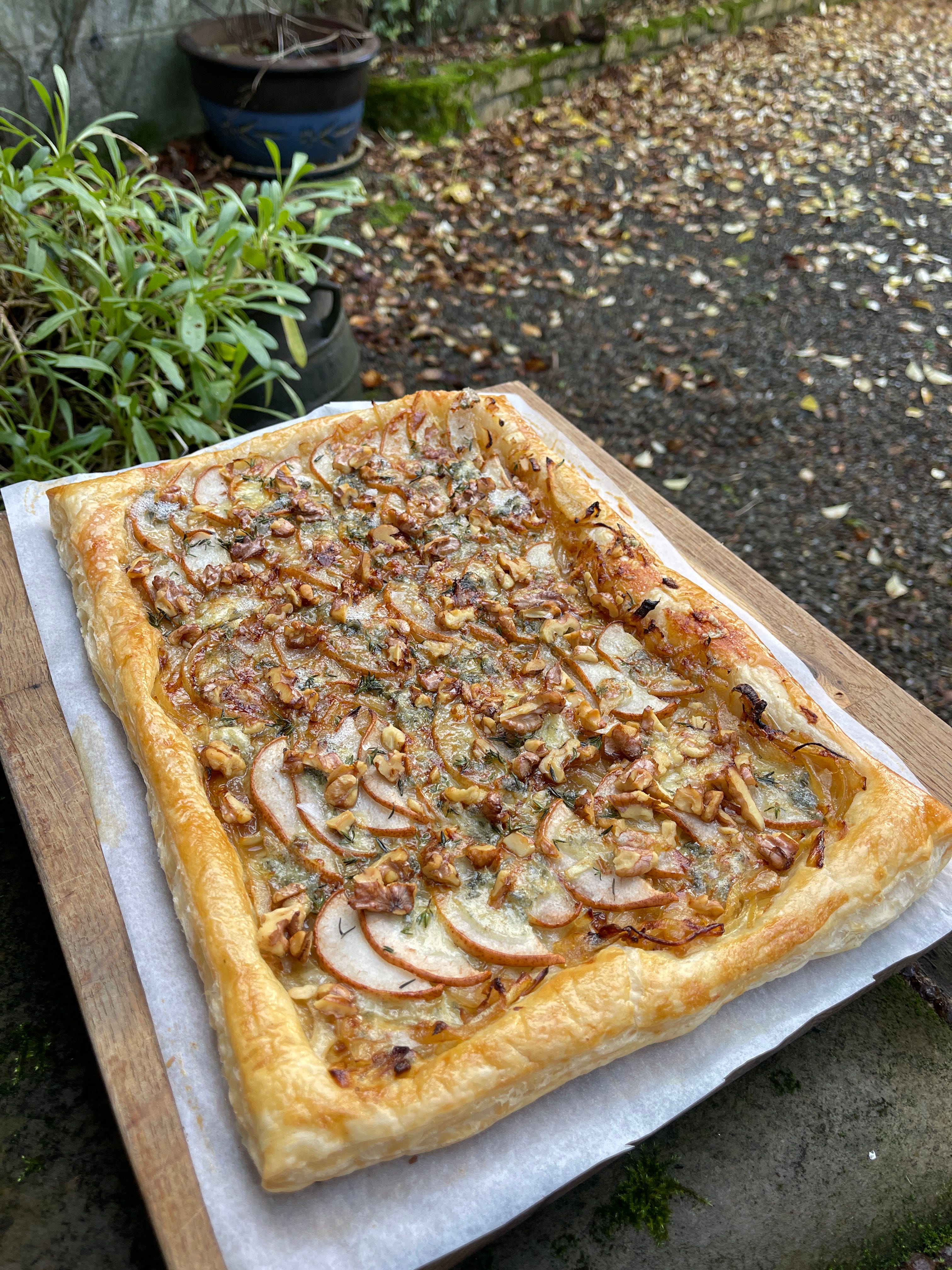
Pear, Caramelized Onion, Walnut, and Stilton Puff Pastry Tart
Makes 1 large tart (serves 6)
Prep Time: 45 minutes
This is the kind of food I return to again and again when I want something that feels both comforting and celebratory without causing me too much trouble. It’s something meant to be shared. A single sheet of puff pastry becomes a generous tart, cut into six pieces and set in the middle of the table. The sweetness of caramelized onions and pears, the subtle robustness of toasted walnuts, and the salty depth of Stilton come together in a way that feels fortifying without being heavy.
It’s simple to prepare, but it asks for presence: time to let the onions soften and deepen in flavor, to layer thoughtfully, to gather people and pause long enough to eat together. This is the kind of dish I think about when I think about the monasteries. It’s not austerity, but nourishment; not complexity, but intention. Food that steadies you, that holds warmth, that reminds you to slow down and share what you have.
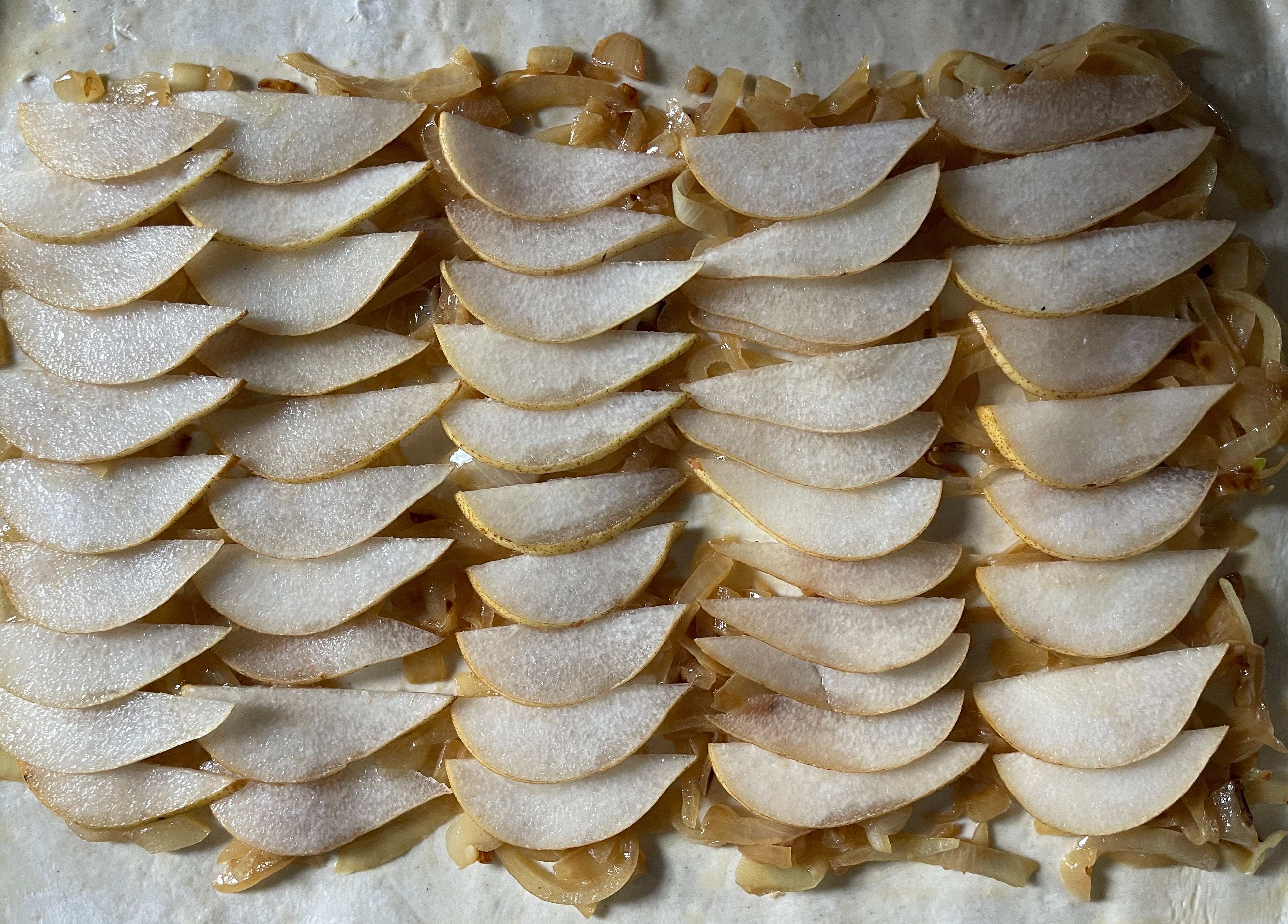
Ingredients:
1 sheet (225g/8oz) frozen puff pastry, thawed
2 tbsp (30ml) unsalted butter
2 medium yellow onions, thinly sliced
½ tsp sea salt
¼ tsp freshly ground black pepper
2 medium pears, cored and thinly sliced lengthwise
1 tsp fresh thyme leaves
40g (1½oz) walnuts, roughly chopped
75g (2½oz) Stilton cheese, crumbled (or whatever cheese you prefer)
1 large egg, beaten with 1 tsp cold water
Flaky sea salt, for finishing
Freshly cracked black pepper, for finishing
Preheat the oven to 400°F (200°C). Line a baking sheet with parchment paper.
Transfer the puff pastry sheet to a baking sheet lined with parchment paper. Using a sharp knife, lightly score a 2cm (¾ inch) border around the edge, being careful not to cut all the way through. Prick the center all over with a fork. Refrigerate while you prepare the toppings.
Melt the butter in a large skillet over medium heat. Add the sliced onions, salt, and black pepper. Cook, stirring occasionally, until soft, deeply golden, and caramelized, about 25–30 minutes. Reduce the heat if they begin to color too quickly. Remove from heat and let cool slightly.
Assemble the tart. Spread the caramelized onions evenly over the center of the puff pastry, staying within the scored border. Arrange the pear slices on top in even rows. Sprinkle with the thyme leaves, followed by the chopped walnuts. Crumble the Stilton over the tart, allowing space for the other flavors to come through.
Brush the border of the puff pastry with the egg wash for a golden finish.
Bake for 25–30 minutes, until the pastry is puffed and deeply golden and the pears are tender. Rotate the pan halfway through if needed for even browning.
Finish and serve. Remove from the oven and let rest for 5–10 minutes. Sprinkle lightly with flaky sea salt and freshly cracked black pepper. Cut into six pieces and serve warm or at room temperature.
This tart is best enjoyed the day it’s made, shared slowly, preferably with people you trust and time you’ve intentionally kept open.
Let’s Talk!
Please join the What’s Good Here community by posting a comment or to just say hello to get the conversation started!
Image attributions throughout the newsletter are attributed to Jody Eddy, unless otherwise noted.
If you would like to learn more about me and discover what I will deliver to you each week through this newsletter, you can find that information here or check out my Instagram or website.