
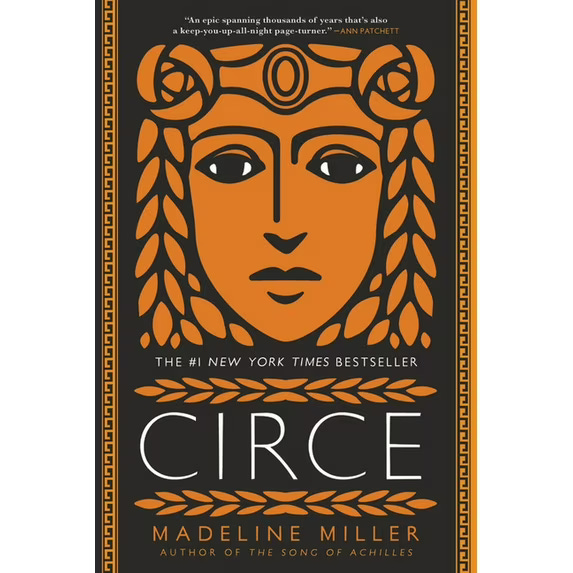
There is a moment early in Circe when the goddess who is exiled, alone, and stripped of every comfort she has known realizes that her island is not a punishment. It is a kitchen.
The island Aiaia becomes the place where Circe learns to transform, not just men into pigs (though she does that, too, and with good reason), but to also transform herself from a dismissed, overlooked daughter of Helios into a woman of terrifying skill and formidable power. She forages and she learns the properties of every root, leaf and seed of her world. She kneels in the dirt on her goddess knees and coaxes life from the soil. And when visitors arrive at her shore she feeds them and offers her hospitality. Her table she sets is not an afterthought. It is an act of sovereignty.
Madeline Miller’s retelling of the Circe myth has resonated with millions of readers since its publication and it’s not hard to understand why. In a story populated by gods who are careless with their power, Circe is the one who earns hers through patience, through practice, through the daily, unglamorous work of paying attention. She is a woman who builds her life with her own hands. She fights through her fear of uncertainty and the isolation that comes from literally being cast alone onto an island to arrive at a place of wisdom and fortitude. The meals she prepares are an extension of her self-made world: fragrant with wild herbs, generous with olive oil, rooted in the sun-baked landscape of the Greek islands.
This feast is an invitation to step into Circe’s world. The menu is plant-forward and bright. It’s the kind of food that feels both ancient and alive, as if it were gathered from a wild garden on a Mediterranean cliff. These are dishes meant to be shared on a long table with people you love, eaten slowly, with good wine and unhurried conversation. I think Circe would approve of this menu and this fantasy feast’s intention.
A note on historical accuracy: Circe’s island exists outside of time. A sorceress who can turn men into swine can certainly conjure a tomato. I’ve taken a few liberties with ingredients that wouldn’t have existed in the ancient Aegean, the tomatoes, for instance, because this is a fantasy feast, and Circe’s garden grows whatever she wills it to.
The Menu
Appetizer: Pharmaka Lettuce Wraps
Shared Plate: The Sorceress’s Smoky Aubergine with Charred Tomato Bread
Main: Aiaia Mushroom Wraps with Pistachio Pesto and Tahini
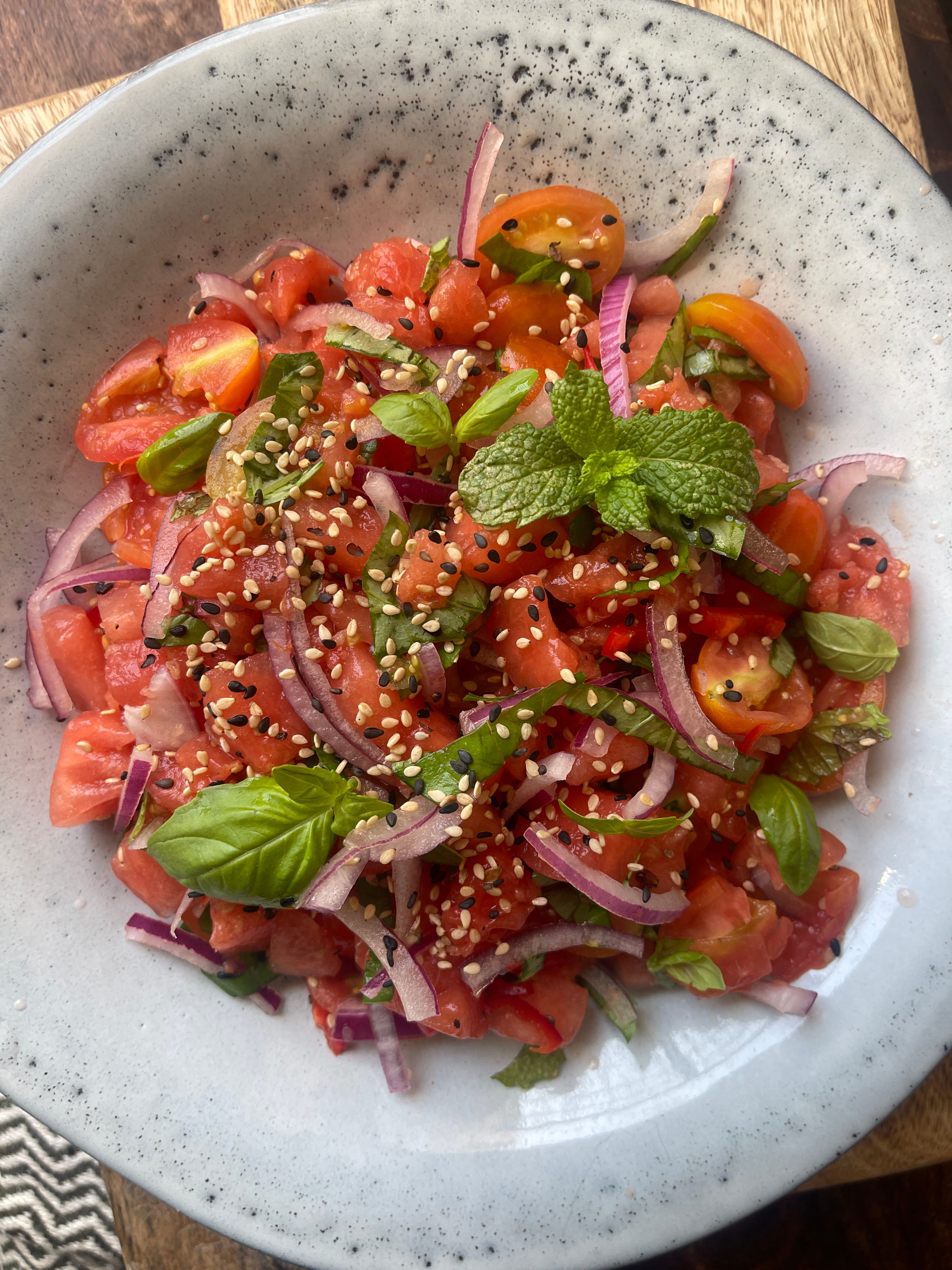
Side: Helios’s Watermelon and Tomato Salad
Cocktail: Circe’s Potion
Plans for Hosting Your Feast of the Sorceress
Mood, Atmosphere, and Overall Aesthetic
Imagine your guests arriving at dusk, the table set outdoors if the weather allows, or near open windows if it doesn’t. The air smells of herbs and warm bread. There are no centerpieces fighting for attention, just the food itself, arranged in an unfussy way on platters and boards, inviting guests to reach for whatever fancies them. This is not a formal dinner party. This is a gathering at the home of a woman who lives close to the earth and grows to be proud of the person she is and the environment that enables her to thrive even when the odds are against her. And in Circe’s world, it was the gods who were placing their bets on her demise.
The mood is intimate, confident, and a little wild. Think raw linen, not silk. Candlelight, not chandeliers. Wine poured from clay pitchers. A table that looks like someone who loves to cook but has been at work all afternoon. Which, of course, you have.
Invitations
Write or print your invitations on textured, cream-colored card stock, sealed with a sprig of dried rosemary or thyme tucked inside the envelope.
Use language that sets the scene: “You are invited to dine on the island of Aiaia, where the sorceress keeps her table. Come hungry. Come curious. Leave your expectations at the shore.”
For a digital version, pair the invitation with an image of wild herbs, a rocky coastline, or the book’s cover.
Beverages
Serve Circe’s Potion (recipe below) as the welcome drink. The color transformation will set the tone for the entire evening and remind guests of Circe’s alchemic powers (and their own).
Offer a dry white wine throughout dinner, a Greek Assyrtiko would be ideal, or any crisp, mineral white that tastes briny like the sea air and fresh and bright like sunlight.
For a non-alcoholic option, serve sparkling water infused with cucumber, mint, and a squeeze of lemon.
Dress Code
Invite guests to dress in flowing, natural fabrics: linen, cotton, earth tones, whites, and soft golds. Think Mediterranean island, not Olympus.
Suggest bare feet or sandals if you’re dining outdoors.
Encourage guests to tuck a sprig of fresh herbs )rosemary, thyme, lavender) behind their ear or into their hair as a nod to Circe the herbalist.
Decorations
Keep it elemental: olive branches, wild herbs in simple jars, beeswax candles in terracotta holders, and linen runners on a wooden table.
Scatter whole figs, pomegranates, and bunches of grapes along the center of the table. They can double as decor and dessert.
If you can source dried lavender or wildflowers, arrange them loosely in small vessels. Nothing should look too arranged. Circe’s aesthetic is cultivated but never fussy.
Table Settings
Use earthenware plates and bowls: mismatched is fine, even preferred. If you have access to handmade pottery, this is the night for it.
Linen napkins in natural tones, tied simply with twine or a sprig of rosemary.
Place a small river stone or sea-smoothed pebble at each setting as a tactile reminder of the island.
Music
Create a playlist of Greek folk music, Mediterranean acoustic guitar, or ambient soundscapes that evoke waves and wind. Artists like Savina Yannatou, Eleni Karaindrou, or Daemonia Nymphe (who perform ancient Greek music on period instruments) set a beautiful tone.
Avoid anything too modern or electronic… the mood you’re aiming for is timeless.
If you have a musically inclined guest, invite them to bring a guitar or whatever instrument they play.
Entertainment
Place copies of Circe around the gathering space, bookmarked at favorite passages, for guests to pick up and read aloud.
Before dessert, invite each guest to share the book, film, or myth that has most shaped them. This ties directly to the Fantasy Feast tradition and creates genuine connection.
Set up a small “apothecary station” with labeled jars of dried herbs and spices. Guests can smell and identify them, and you can share the folklore behind each one as a nod to Circe’s pharmaka.
Party Favor or Parting Gift
Send guests home with a small muslin bag of dried herbs (lavender, rosemary, chamomile) tied with twine and labeled “From the Garden of Aiaia.”
Include a printed card with the recipe for Circe’s Potion so they can recreate the magic at home.
For an extra touch, gift a small bottle of good olive oil or a jar of local honey, both staples of Circe’s island.
“The thought was this: that all my life had been murk and depths, but I was not a part of that dark water. I was a creature within it.”
― Madeline Miller, Circe
My newsletter is reader-supported.
Free subscribers get limited access to the weekly newsletter and two weeks worth of archives.
Paid subscribers get complete access to all of the content in my newsletters and my entire archives. You’ll also get all of the recipes, guides, interviews, cooking tips, essays and more, plus the ability to comment and participate in discussions.
Newsletters will arrive right in your Inbox or you can read them through the app.
Recipes for the Feast of the Sorceress
This menu draws on the sun-drenched, herb-rich flavors of the Greek islands and the wider Eastern Mediterranean. Every dish is plant-forward, deeply flavorful, and designed for communal eating. Set the platters in the center and let your guests build their own plates, just as they would at Circe’s table.
Pharmaka Lettuce Wraps
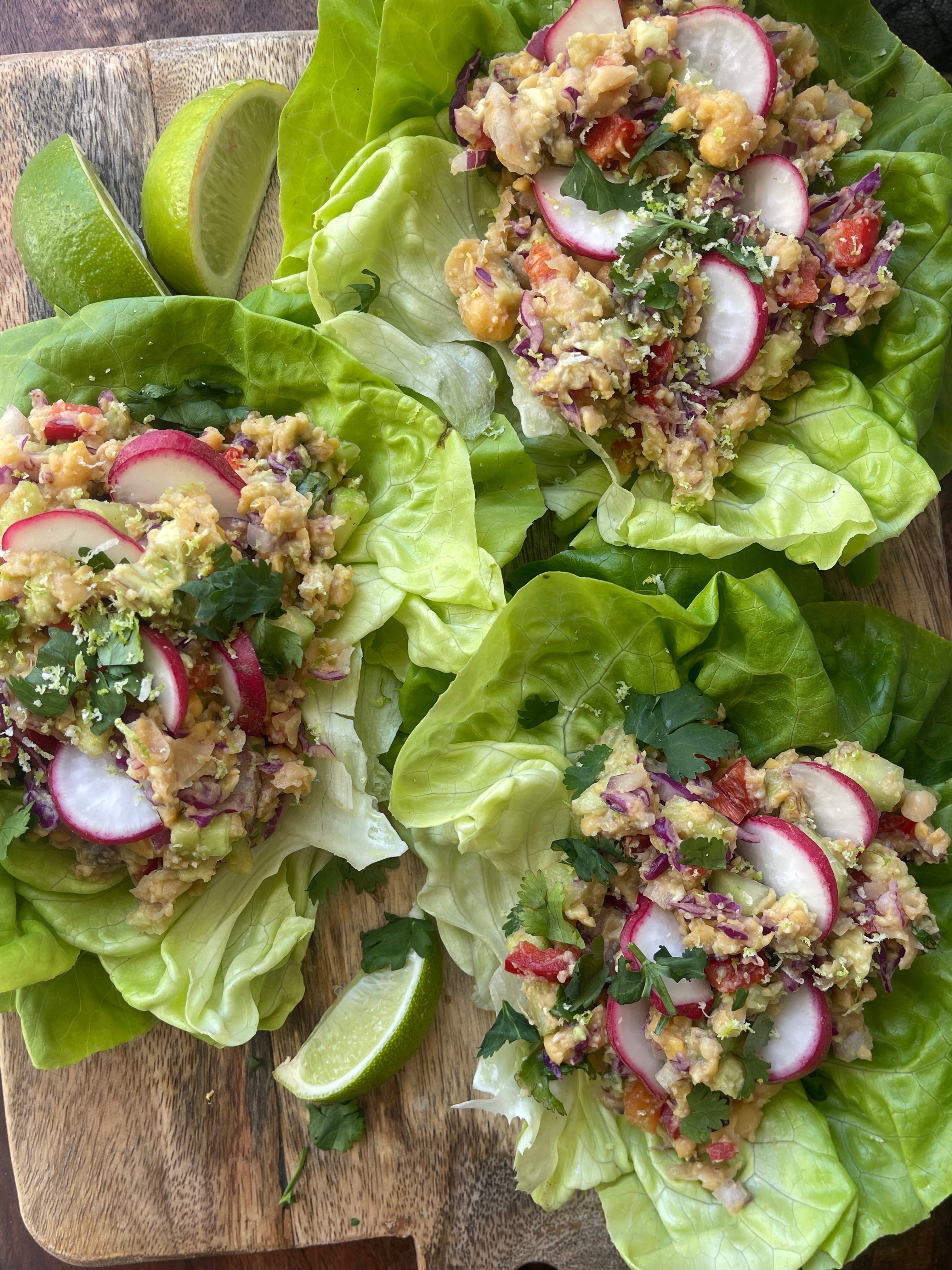
Pharmaka, the Greek word for Circe’s potions, herbs, and transformative magic, is the root of our modern word pharmacy. In the novel, Circe spends years alone on Aiaia learning the properties of every root and leaf, grinding and mixing, discovering her power through the physical act of working with ingredients. These lettuce wraps carry that same spirit of transformation: humble chickpeas, broken down and reimagined with tahini, bright lemon, and a scattering of herbs. The smashing is the point because it’s how you release what’s inside.
Serving Size: 10–12 lettuce cups Preparation Time: 20 minutes
Ingredients:
2 lemons, zested and juiced (about 3 tbsp / 45 ml juice), plus additional zest for serving
1 garlic clove, finely grated
1 tsp (5 g) ground cumin
1/2 tsp (2.5 g) ground coriander
2 cups (340 g) canned chickpeas, rinsed and drained
3 tbsp (45 ml) tahini
2/3 cup (100 g) finely chopped red bell pepper
1/2 cup (45 g) finely shredded purple cabbage
1/3 cup (50 g) finely diced cucumber, peeled and seeded
2 tbsp (20 g) finely chopped red onion
1/3 cup (15 g) chopped fresh parsley, plus additional for garnish
2 tbsp (5 g) chopped fresh mint, plus additional for garnish
Freshly ground black pepper, to taste
20 small, crisp butter lettuce leaves
To serve: Lemon wedges, lemon zest, radish slices, and extra herbs
Method:
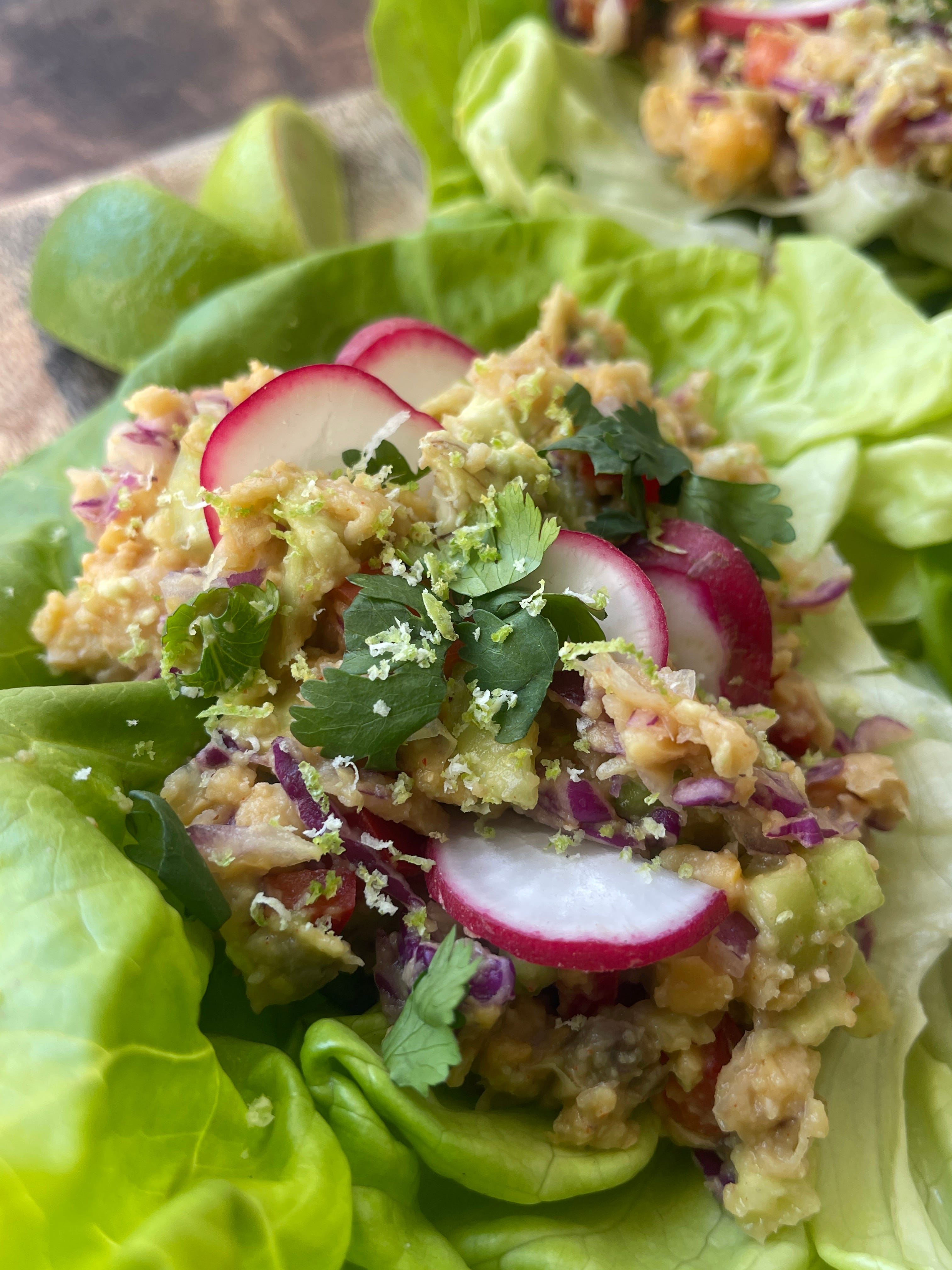
In a large bowl, combine the lemon zest and juice, garlic, cumin, and coriander and let sit for a few minutes to mellow the garlic. Add the chickpeas and use a fork or potato masher to smash until about two-thirds are broken up but still chunky. Add the tahini and gently work it into the chickpeas until the mixture is creamy with small pieces remaining. Fold in the bell pepper, cabbage, cucumber, red onion, parsley, and mint. Season with pepper. Taste and add more lemon juice to brighten if needed.
Place two lettuce leaves together to create a sturdy cup and spoon the mixture into the leaves. Garnish with lemon zest, radish slices, and herbs. Serve right away with lemon wedges, or chill the mixture for up to 2 hours and fill the leaves just before serving to keep them crisp.
The Sorceress’s Smoky Aubergine with Charred Tomato Bread
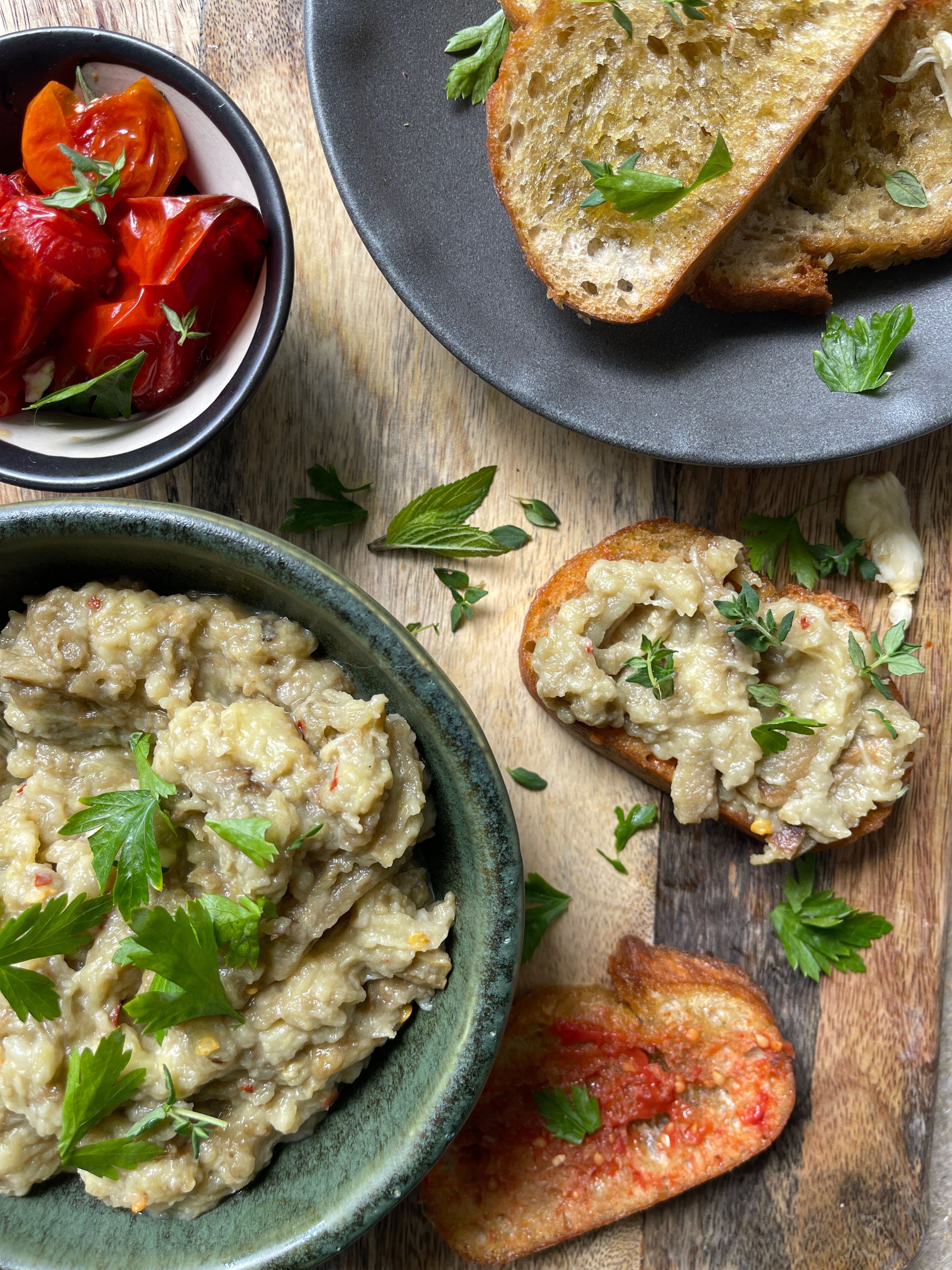
There is something alchemical about an aubergine held over an open flame. The skin blackens and blisters. The flesh inside collapses into something silky, smoky, and entirely new, a transformation worthy of Circe herself. This dish is served as a spread: the smoky aubergine in a bowl, the charred tomatoes alongside, and warm, crusty bread for guests to build their own bites. It’s the kind of food that invites people to linger at the table with their hands and a glass of wine, which is exactly the point.
A note on method: The recipe below calls for roasting the aubergines in the oven, which works beautifully for any home kitchen. But if you have a gas hob, try charring them directly over the open flame, turning with tongs until the skin is completely blackened and the flesh has collapsed. This is the traditional method and it produces an even deeper, more complex smokiness.
For the Smoky Aubergine
Serving Size: 4–6 as a shared appetizer Preparation Time: 50 minutes (roasting method), 20 minutes (open flame)
Ingredients:
2 large aubergines (eggplants)
2 tbsp (30 ml) tahini
1 garlic clove, finely grated
2 tbsp (30 ml) lemon juice (about 1 lemon)
3 tbsp (45 ml) olive oil, plus more for drizzling
1/4 tsp (1 g) chili flakes
Salt, to taste
Fresh parsley, for garnish
Method:
Preheat the oven to 450°F (230°C). Pierce the aubergines several times with a fork. Place on a lined baking sheet and roast for 35–40 minutes, turning once, until the skin is wrinkled and the flesh is completely soft. Allow to cool slightly.
Halve the aubergines and scoop the flesh into a bowl, discarding the skin and as much of the liquid as possible. Add the tahini, garlic, lemon juice, olive oil, and chili flakes. Mix with a fork, keeping the texture rough and rustic rather than smooth. Season with salt to taste. Transfer to a serving bowl, drizzle with olive oil, and scatter with parsley.


For the Charred Tomato Bread
Ingredients:
1 lb (450 g) mixed tomatoes, a combination of large summer tomatoes and cherry tomatoes
4 tbsp (60 ml) olive oil, divided
2 garlic cloves, thinly sliced
Fresh mint and parsley, for garnish
Crumbled feta cheese
Flaky sea salt
Good crusty bread, sliced and toasted
Method:
Preheat the oven to 400°F (200°C). Arrange the tomatoes on a baking sheet in a single layer. Drizzle with 2 tablespoons of olive oil, scatter with garlic, and season with salt. Roast for 25–30 minutes, until the skins are blistered and the tomatoes have collapsed and released their juices.
Transfer the roasted tomatoes and all their juices to a platter. Drizzle with the remaining olive oil, scatter with fresh mint, parsley, and crumbled feta. Serve alongside the warm toasted bread and the bowl of smoky aubergine, and let your guests assemble their own bites — a smear of aubergine on toast, a spoonful of charred tomatoes on top, or each enjoyed on its own.


Aiaia Mushroom Wraps with Pistachio Pesto and Tahini
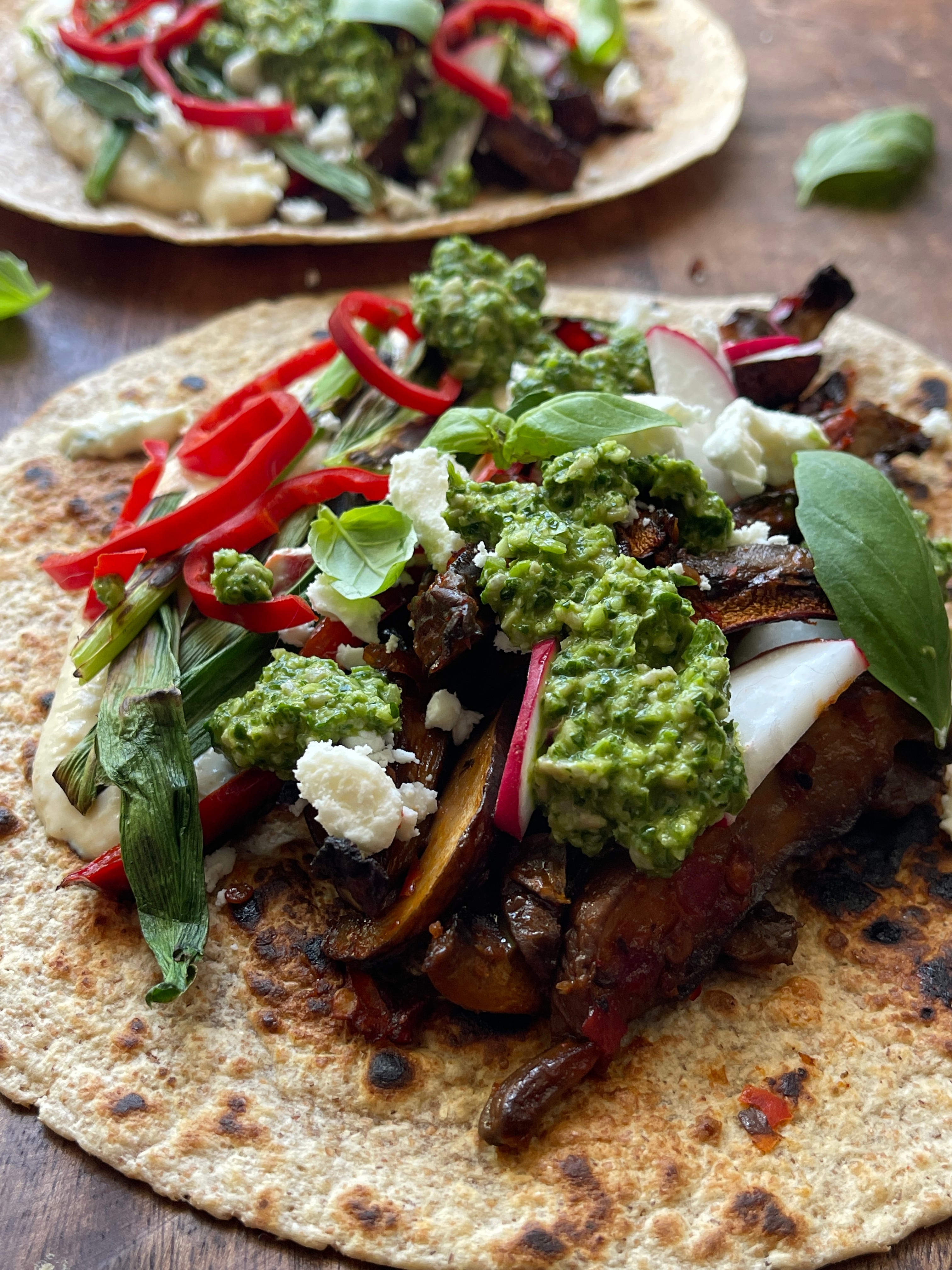
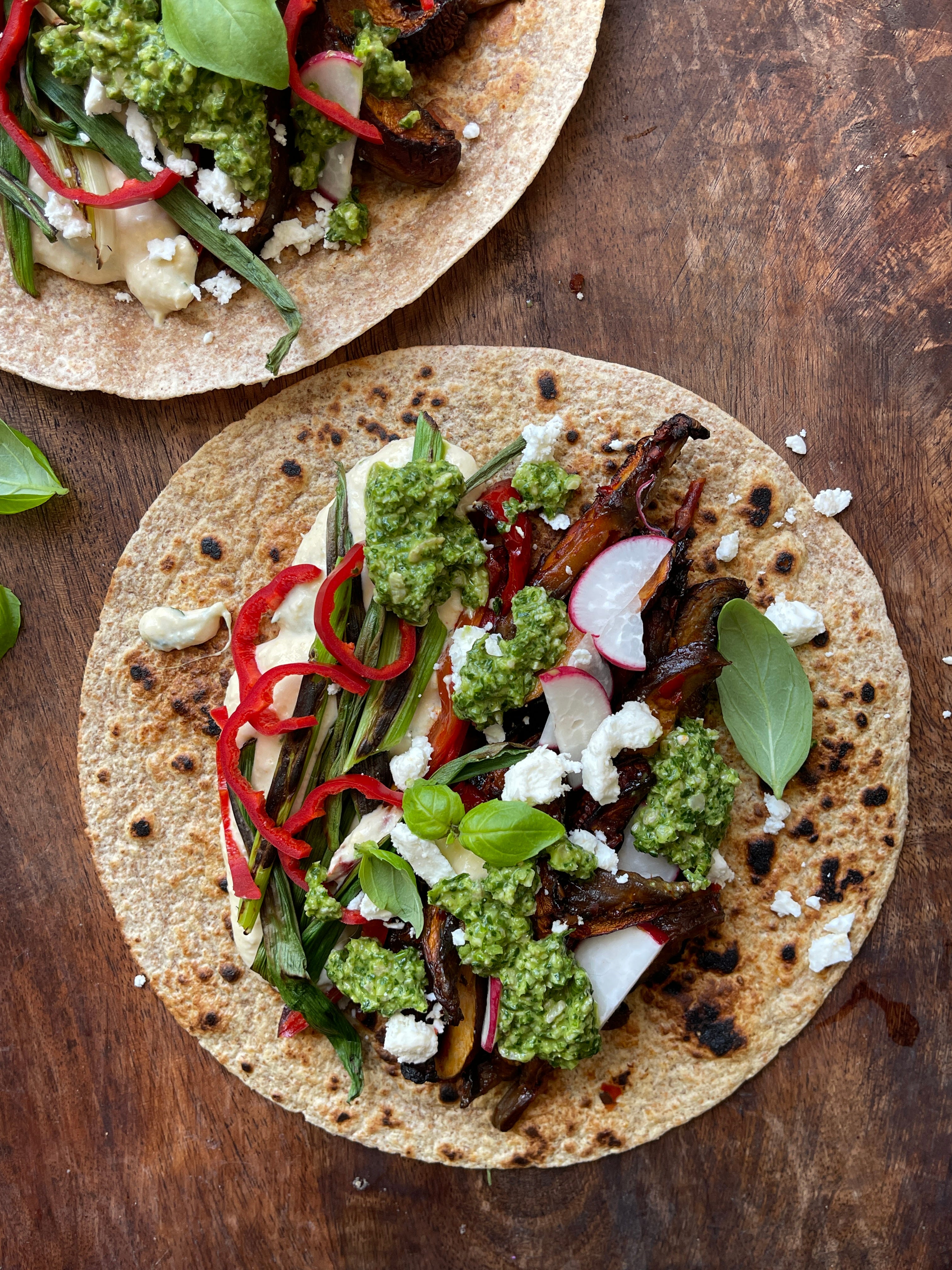
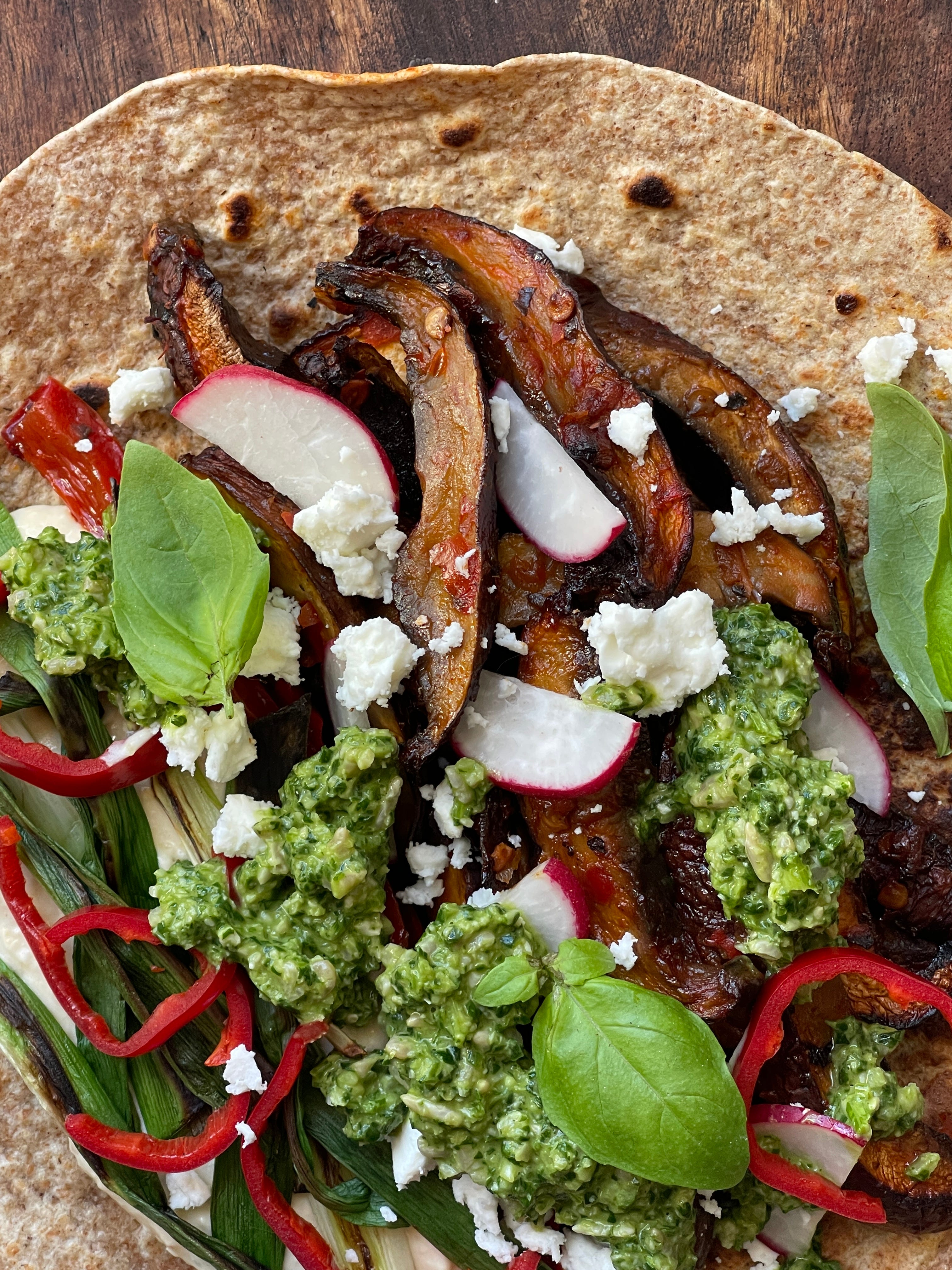
This is the heart of the feast. It’s substantial, deeply savory, and layered with the kind of flavor that makes people go quiet for a moment after the first bite. The portobello mushrooms are roasted with cumin and coriander until they’re caramelized and yielding, then piled onto charred wheat wraps with a bright pistachio-basil pesto, a creamy tahini yogurt spread, charred scallions, and crumbles of feta. It is the kind of dish Circe might prepare for herself on a good day when the herbs are fragrant, the sun is warm, and no sailors have yet washed ashore to cause trouble.
Serving Size: 4 Preparation Time: 40 minutes
For the Pistachio Basil Pesto:
1/2 cup (60 g) shelled pistachios
1 cup (25 g) packed fresh basil leaves
1 garlic clove
1/4 cup (60 ml) olive oil
1 tbsp (15 ml) lemon juice
Salt, to taste
Combine all ingredients in a food processor or mortar and pestle and blend until you have a rough, vibrant paste. Taste and adjust the lemon and salt. Set aside.
For the Tahini Yogurt Spread:
1/4 cup (60 g) Greek yogurt
1/4 cup (60 ml) tahini
1 tbsp (15 ml) lemon juice
Salt, to taste
Whisk together until smooth and creamy. Set aside.


For the Mushroom Wraps:
4 large portobello mushroom caps
2 tbsp (30 ml) olive oil
1 tsp (5 g) ground cumin
1 tsp (5 g) ground coriander
Salt and pepper, to taste
1 bunch scallions (spring onions), trimmed
4 wheat wraps (or flatbreads)
1 red pepper, thinly sliced
4–6 radishes, thinly sliced
Crumbled feta cheese
Fresh basil leaves
Method:
Preheat the oven to 400°F (200°C). Clean the portobello caps by gently scraping out the gills with a spoon. Slice the caps into thick strips. In a bowl, toss the mushroom strips with the olive oil, cumin, and coriander, and season with salt and pepper. Spread on a lined baking sheet and roast for 20–25 minutes, turning once, until deeply caramelized and tender.
While the mushrooms roast, heat a dry pan over high heat. Char the scallions whole, turning occasionally, until they’re softened and blackened in spots, about 3–4 minutes. Set aside.
Toast the wraps directly over a gas flame or in a dry pan until they’re lightly charred and pliable.
To assemble: spread a generous layer of the tahini yogurt on each warm wrap. Top with the roasted mushroom strips, charred scallions, sliced red pepper, and radishes. Spoon the pistachio pesto over everything, then scatter with crumbled feta and fresh basil leaves. Serve open-faced for guests to wrap themselves.
Helios’s Watermelon and Tomato Salad
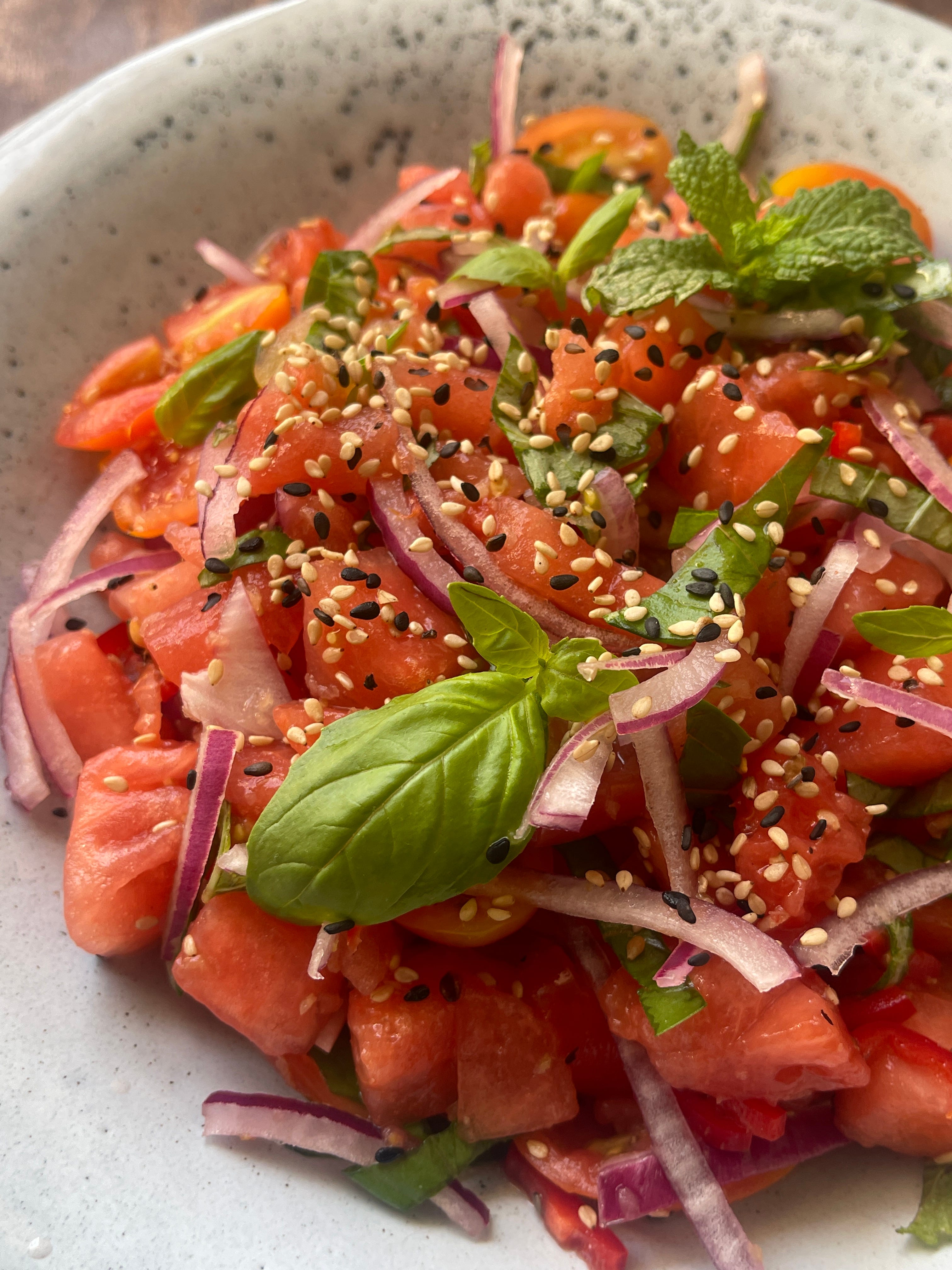
Helios is Circe’s father, the Titan god of the sun, and this salad is made of pure sunlight. It is the simplest dish on the table and, on the right summer evening, possibly the most memorable. The technique that makes it special is small but important: the watermelon is lightly smashed before it goes into the bowl, which breaks the flesh just enough to release its juices, creating a natural dressing that mingles with the olive oil and lemon. It’s a little trick worth knowing.
Serving Size: 4–6 Preparation Time: 15 minutes (plus 10 minutes for soaking the onion)
Ingredients:
1 small red onion, very thinly sliced
Juice of 1/2 lemon (for soaking)
4 cups (600 g) watermelon, cut into rough chunks
1 cup (150 g) cherry tomatoes, halved
A handful of fresh basil leaves, torn
A handful of fresh mint leaves, torn
2 tbsp (30 ml) olive oil
Juice of 1/2 lemon (for dressing)
1 tbsp (10 g) mixed black and white sesame seeds
Flaky sea salt, to finish
Method:
Place the sliced red onion in a small bowl of cold water with the juice of half a lemon. Let it soak for at least 10 minutes to mellow its bite. Drain and pat dry.
Place the watermelon chunks in a large bowl. Using the back of a fork or your hands, lightly smash and press the pieces, you want them broken and slightly crushed, not pulverized. This releases the juices, which become part of the dressing.
Add the cherry tomatoes, drained red onion, basil, and mint. Drizzle with olive oil and the remaining lemon juice. Toss gently. Transfer to a serving bowl, sprinkle with sesame seeds, and finish with flaky sea salt. Serve immediately.
Circe’s Potion
This is the drink you serve as guests arrive, and it is pure theatre. The cocktail begins a deep, otherworldly blue-violet, the color of Circe’s magic, and transforms to purple-pink the moment your guest squeezes in a wedge of lemon. The transformation happens because of butterfly pea flowers, dried blossoms that steep into an intensely blue tea and change color when they meet acid. They are flavorless, so the magic is entirely visual, and the effect is genuinely startling the first time you see it. Hand your guests the glass, tell them to squeeze, and watch their faces.
A note on sourcing: Butterfly pea flowers are available dried from online tea shops, specialty grocers, and health food stores. A small bag will last you many feasts. They are sometimes sold as “blue tea” or by their botanical name, Clitoria ternatea.
Serving Size: 2 cocktails Preparation Time: 15 minutes (including steeping time)
Ingredients:
1 tbsp (3 g) dried butterfly pea flowers
1/2 cup (120 ml) boiling water
4 oz (120 ml) gin (a botanical or herbaceous gin works beautifully)
2 oz (60 ml) honey syrup (equal parts honey and warm water, stirred to dissolve)
1 oz (30 ml) fresh lemon juice
Ice
2 sprigs of fresh thyme or rosemary, for garnish
2 lemon wedges, for serving
Method:
Steep the butterfly pea flowers in the boiling water for 5–10 minutes, until the liquid is a deep, vibrant blue. Strain and allow to cool.
In a cocktail shaker, combine the gin, honey syrup, and lemon juice with a generous amount of ice. Shake vigorously until very cold.
Divide the blue butterfly pea flower tea between two glasses. Strain the cocktail mixture over the blue tea. The drink will be a deep blue-violet. Garnish each glass with a sprig of thyme or rosemary and serve with a lemon wedge on the side.
Invite your guests to squeeze the lemon into their glass and stir. The potion will transform from blue to purple-pink before their eyes.
For a non-alcoholic version: Replace the gin with tonic water or sparkling water and increase the honey syrup to taste.
Thank you for reading! If you enjoyed this feast, please share it with the book lovers, cooks, and gatherers in your life. Next week, another world. Another table. Another invitation to step inside a fantasy feast story.
Let’s Talk!
Please join the What’s Good Here community by posting a comment or to just say hello to get the conversation started!
Image attributions throughout the newsletter are attributed to Jody Eddy, unless otherwise noted.
If you would like to learn more about me and discover what I will deliver to you each week through this newsletter, you can find that information here or check out my Instagram or website.
This is SO FUN!!! I really hope I get an invite.